How to Taste Tequila: A Guide to Blanco, Reposado and Añejo
Hola Tequila Tour •
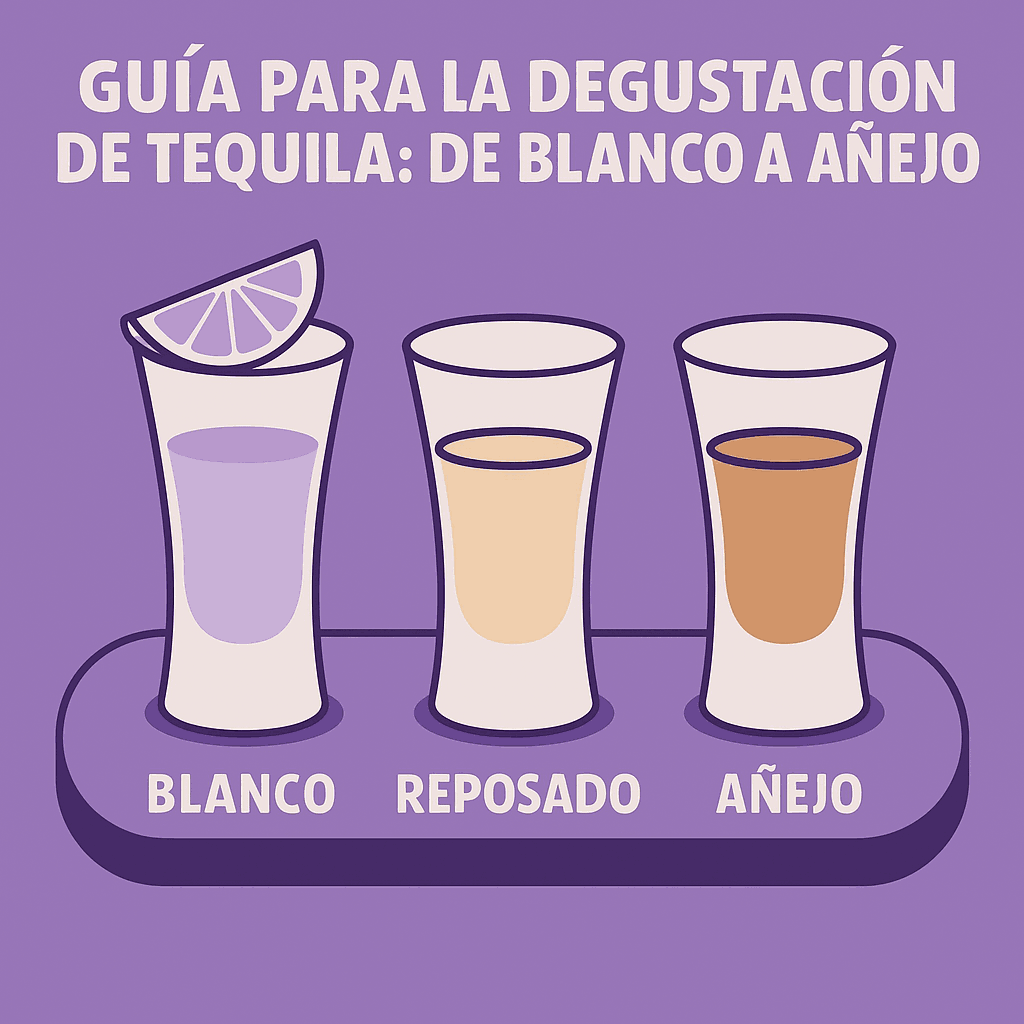
Almost everyone has tried tequila. Very few people have actually tasted it. The difference is not some elaborate ceremony: it is giving three minutes and a decent glass to something usually knocked back with salt.
This guide works for a formal tasting and for making sense of what they pour you at a distillery.
Before you smell anything: read the label
Two pieces of information decide most of what you will find in the glass.
The first is whether it says 100% agave. If it does, every fermented sugar came from blue agave. If it only says tequila, it is what is known as a mixto: the standard allows up to 49% of the sugars to come from another source, usually cane. It is not fraud, it is a different category, but you can taste it.
The second is the NOM number, four digits identifying the distillery where it was made. Two brands with different labels and prices can share a NOM because they came out of the same factory.
The categories are about time, not quality
The official classification depends on how long the spirit rested in wood, not on how good it is.
- Blanco or plata: bottled almost straight off the still, resting two months at most. This is agave without make-up.
- Reposado: at least two months in oak. A pale gold appears, along with a layer of vanilla and wood.
- Añejo: at least one year in barrels of up to 600 litres. More amber, rounder, with caramel and spice.
- Extra añejo: at least three years in the same kind of barrel. This is the category closest to a whisky or a cognac in texture.
- Cristalino: an aged tequila with the colour filtered out. It keeps some of the wood on the palate while looking like a blanco.
An excellent blanco beats a mediocre añejo without breaking a sweat. The category tells you what to expect, not what it is worth.
The glass changes the result
The caballito, that narrow straight shot glass, is bad for tasting. It funnels alcohol upward and hides everything else. It is built for the quick shot, which is precisely what we are not doing.
Use a glass that narrows at the top: a tasting copita, a tulip, even a small white wine glass. Pour a little, a couple of fingers, and leave it at room temperature. Cold numbs the aromas.
The three steps
Sight. Tilt the glass against a pale background. Look at the colour, which hints at the barrel, and at the legs running down the side: the slower and thicker they are, the more body.
Smell. Half the tasting lives here. Bring your nose close without burying it, and breathe with your mouth slightly open, which sounds odd but keeps the alcohol from overwhelming you. Do it twice: the first pass gives you the alcohol, the second lets you pick out cooked agave, citrus, pepper, vanilla.
Taste. Take a small sip and move it across the whole tongue before swallowing. Look for three things: the attack, the body, and how long the finish lasts. A well-made tequila lingers; a weak one vanishes immediately.
What order to taste in
Always from least wood to most: blanco, reposado, añejo, extra añejo. The other way round you wreck your palate on the first sip and the blanco will taste flat.
Between pours, a little plain water. No lime, no sangrita until you are done.
What to look for in each category
In a blanco: cooked agave, something citric, a herbal edge and pepper. This is where you can most tell whether the agave was ripe and whether the distillery did its job, because there is no barrel to hide behind.
In a reposado: that same agave with vanilla, soft wood and sometimes butter. It is the balance most people like and the biggest seller in Mexico.
In añejo and extra añejo: caramel, chocolate, nuts, sweet spice. Be wary of the ones that taste only of wood: if the agave has disappeared completely, the barrel ate the drink.
The most common mistakes
Salt and lime were invented to cover things up. They work very well at masking a harsh spirit, which is why they became a habit back when almost everything exported was mixto. With a decent 100% agave, they get in the way.
Serving it frozen is the other classic. Cold shuts the aromas down: if the goal is to taste nothing, it works; if you paid for a good tequila, you are wasting it.
And the shot. There is nothing wrong with drinking to have a good time, but then do not call it a tasting.
How to practise
The fastest way to learn is to compare. Put a blanco and a reposado from the same distillery, same NOM, side by side. The only variable is the wood, and isolating it that way teaches you more than twenty unrelated bottles.
On our Tequila tour from Guadalajara we do exactly that: a guided tasting of blanco, reposado and añejo, followed by a visit to the artisanal factory where you see where those aromas come from. Tasting and understanding the process on the same day is what makes it stick.